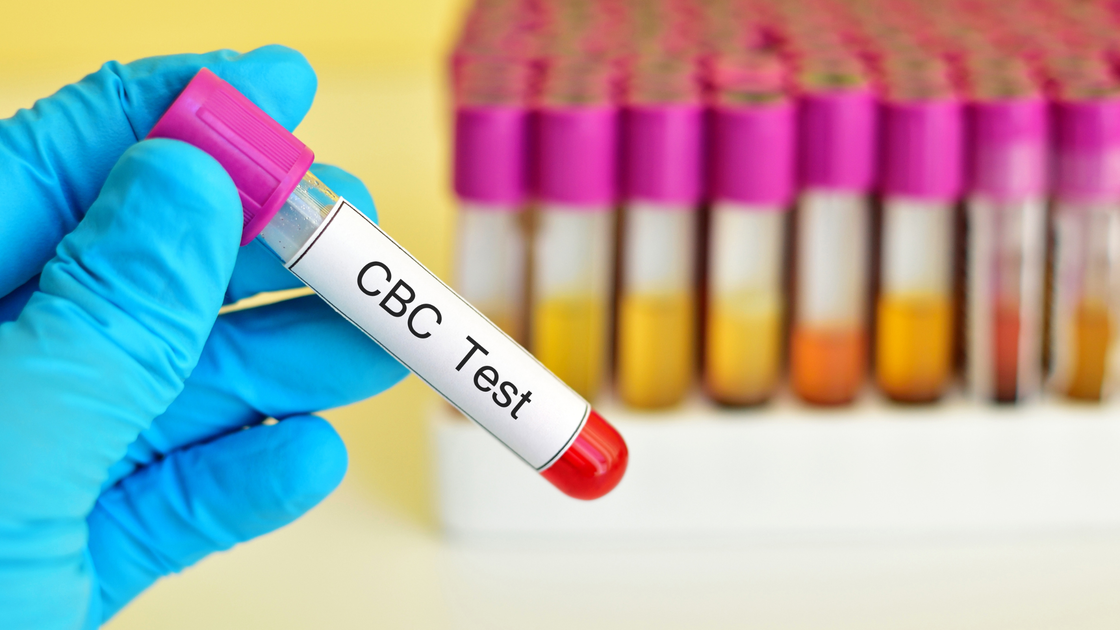
Complete Blood Count (CBC) Test - What You Need to Know
-
Dr. Muhammed
-
Feb 04, 2026
What is a Complete Blood Count (CBC)?
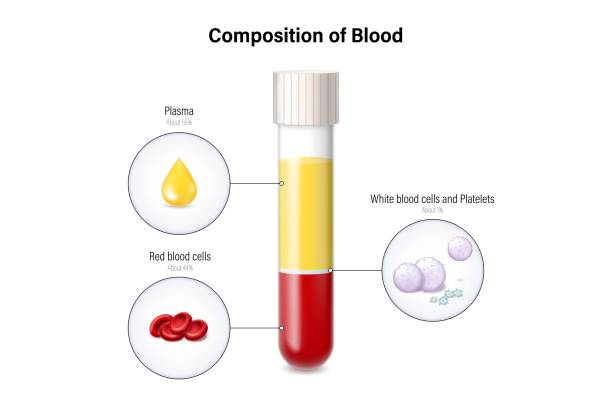
A Complete Blood Count (CBC) is one of the most common blood tests that doctors use to monitor or diagnose health conditions. This CBC Test measures the levels of different components in your blood, including red blood cells, white blood cells, hemoglobin, hematocrit, and platelets. It can give your doctor information about how medications or medical conditions are affecting your body, and about the health of your immune system. It can detect blood cancers, anemia, infections and other conditions.
A complete blood count (CBC) gives you a quick overview of your blood health, which can be used to track current conditions or spot possible health issues early.
Why is the CBC Blood Test Important?
The CBC Blood Test is vital because it:
1- Helps detect anemia or other red blood cell disorders
2- Identifies infections or inflammation in the body
3- Monitors immune system function
4- Checks for blood cancers like leukemia
5- Tracks overall health and response to treatments
Whether it’s part of a routine checkup or used to diagnose symptoms like fatigue, weakness, or unexplained bleeding, the CBC Test gives critical information about your body.
Components of the CBC Test
The CBC Test measures several key components of your blood:
1- Red Blood Cells (RBC) / Red Blood Cell Count:
Red Blood Cells carry oxygen from your lungs to the rest of your body and This is the number of red blood cells in a certain amount of blood, usually a microliter (mcL). For reference, one drop of blood is about 40 mcL to 50 mcL.
2- White Blood Cells (WBC):
White Blood Cells are responsible for fighting infections and supporting the immune system. High or low WBC counts may indicate infections, autoimmune disorders, or bone marrow problems.
3- Hemoglobin (Hb):
Hemoglobin is a protein in red blood cells that carries oxygen. Low hemoglobin can indicate anemia, while high levels might suggest dehydration or other medical conditions.
4- Hematocrit (HCT):
Hematocrit measures the percentage of red blood cells in your blood. Abnormal hematocrit levels often point to anemia, dehydration, or blood disorders.
5- Platelets / Platelet Count:
Platelets help your blood clot and prevent excessive bleeding. The Platelet Count is essential for diagnosing bleeding disorders, bone marrow diseases, or excessive clotting risks.
CBC Result Normal Range
Understanding the CBC Result Normal Range is important for evaluating your health:
Red Blood Cells (RBC): 4.2 - 5.9 million/µL
White Blood Cells (WBC): 4,500 - 11,000/µL
Hemoglobin (Hb): 12 - 17.5 g/dL
Hematocrit (HCT): 37% - 54%
Platelets (PLT): 150,000 -450,000/µL
Note: The examples above are common measurements for results of these tests. Normal value ranges may vary slightly among different laboratories. Some labs use different measurements or test different samples. Talk to your doctor about the meaning of your specific test results.
How to Read CBC Test Results
Reading CBC Test Results can be simple once you understand the main components and their functions:
1- High red blood cell counts: Causes include heart and lung conditions, polycythemia vera and sleep apnea.
2- Low red blood cell counts (anemia): Causes include nutritional deficiencies (like B12 deficiency or iron deficiency), blood loss/bleeding, low kidney function and blood and bone marrow disorders.
3- High platelet counts: Causes include infections and immune system issues.
4- Low platelet counts: Causes include immune thrombocytopenia, certain cancers and hemolytic uremic syndrome.
5- High white blood counts: Causes include infections, allergic conditions, autoimmune conditions, lymphoma and leukemia.
6- Low white blood counts: Causes include autoimmune diseases, medications, bone marrow disorders and infections.
Your doctor interprets your CBC Blood Test results based on your symptoms and medical history, so it’s always best to review your results with a healthcare professional.
Diseases Detected by CBC Blood Test (Diagnosis)
A CBC Blood Test can help detect a variety of conditions, including:
1- Anemia (low red blood cells or hemoglobin)
2- Infections (high white blood cells)
3- Inflammatory conditions
4- Blood cancers (leukemia, lymphoma)
5- Immune system disorders
6- Platelet disorders (thrombocytopenia or thrombocytosis)
How to Prepare for a CBC Test
1- No fasting is typically required unless combined with other tests
2- Drink plenty of water before the test
3- Inform your doctor of any medications you are taking
4- Avoid strenuous exercise on the day of the test
How the CBC Test is Performed
During a CBC, a lab doctor will draw blood from a vein, typically from the inside of your elbow or from the back of your hand. The test will take only from 3 to 5 minutes. The doctor will:
1- Cleans your skin with an antiseptic wipe
2- Places an elastic band, or tourniquet, around your upper arm to help the vein swell with blood
3- Inserts a needle into your vein and collects a blood sample in one or more vials
4- Takes off the elastic band
5- Covers the site with a bandage to prevent any bleeding
6- Labels your sample and dispatches it to a laboratory for analysis
A Note rom Techno Clinic
A complete blood count (CBC) is a frequently conducted blood test utilized by a doctor to gain insights into your health status. You might undergo this test during a routine examination or to assist your doctor in comprehending the symptoms you are experiencing. Although the anticipation of test results can induce anxiety, it is beneficial to keep in mind that the outcomes of a CBC provide your doctor with significant information regarding your internal health. This information can aid in achieving an accurate diagnosis and appropriate treatment, ultimately contributing to your recovery.
Additional Common Questions
Q: Is the CBC Test painful?
A: Most patients feel only a small pinch when the needle is inserted.
Q: How long does it take to get CBC results?
A: Results are typically ready within 24–48 hours.
Q: Can CBC detect cancer?
A: CBC may indicate abnormalities, but further testing is required for diagnosis.
Q: Do I need to fast for a CBC Test?
A: Usually, fasting is not necessary.



 Egypt Neurologist
 Daily Dental Care: Your Complete Guide to Perfect Oral Health